Las Vegas Nightclubs: How to Choose the Right Club for Your Group
Las Vegas nightclubs should be compared by the event and group fit first—not by fame alone. Start with the date and performer, then compare music, atmosphere, room layout, service style, group size, hotel location, and budget. The same club can feel very different from one night to another because the artist, room configuration, crowd mix, and remaining inventory change.
This page is the LV Nightlife VIP nightclub-selection cornerstone. It helps a group narrow the market and decide what type of nightclub experience fits. The Las Vegas nightclub directory remains the browse owner, while the nightclub comparison hub owns two-club matchups and the Las Vegas bottle service guide owns table economics and reservation planning.
Because current programming can override an evergreen recommendation, check the Las Vegas Nightclub Calendar before making the final choice. That calendar owns current nightclub event discovery; this guide owns the broader decision framework.
Written and reviewed by a local nightlife professional
Rene Miranda, Lead Host
Last reviewed:
This guide is reviewed against nightclub positioning, current event formats, group fit, operational requirements, page ownership, and the LV Nightlife VIP editorial and corrections standards. Recommendations are professional planning judgments, not customer-review averages.
Quick answer
Which Las Vegas Nightclub Should You Choose?
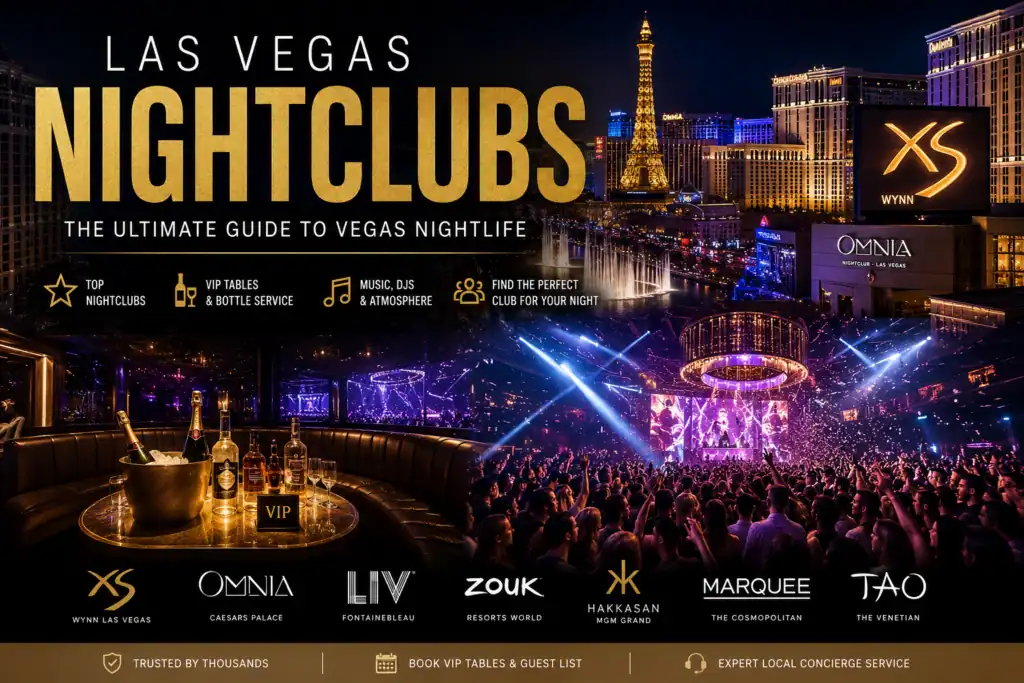
For polished service and indoor-outdoor luxury, XS is a strong starting point. Omnia is a strong starting point for theatrical production and a central-Strip mega-club experience. LIV fits groups seeking a newer, concentrated, high-energy room, while Zouk emphasizes immersive production and event-driven energy. Marquee works well for mixed-interest groups that value flexibility, and TAO offers a smaller classic-Vegas environment. Hakkasan and Jewel remain useful alternatives when the event and room fit the group better.
However, no evergreen ranking should override the current event. A strong performer, room configuration, or table location can make a normally secondary option the right Las Vegas nightclub for that night.
Already know your date and group size?
Get a Nightclub Shortlist Built Around Your Group
Share your date, guest count, preferred music, celebration type, hotel, and approximate budget. A local LV Nightlife VIP host can compare current event fit and suitable planning pathways before you choose a club or table.
How to Compare Las Vegas Nightclubs
1. Choose the Event Before the Brand
First, confirm the date, performer, music format, and current room configuration. A nightclub with a strong general reputation can still be a poor fit when the artist or event format conflicts with the group. Conversely, a secondary choice can become the best option when the programming is right.
The Nightclub Calendar should control current-event discovery because schedules change. Evergreen copy should explain stable venue style and decision logic rather than hard-code a permanent weekly schedule.
2. Choose the Environment
Next, decide what the group actually wants from the room. Some travelers prioritize polished service and luxury; others care more about theatrical production, a compact high-energy crowd, indoor-outdoor flexibility, or a smaller open-format environment. The right choice depends on the tradeoff the group is willing to make.
3. Choose the Operational Fit
Finally, account for group size, hotel location, arrival timing, physical identification, dress code, budget, and whether everyone can follow one coordinated plan. A club that looks ideal on social media can still be a weak operational choice if the group will arrive late, split up, or struggle with the venue’s entry requirements.
Las Vegas Nightclubs by Priority
The following recommendations are starting points rather than permanent winners. Therefore, use them to build a shortlist and let the current event decide the final order.
Luxury, Production and High-Energy Starting Points
XS Nightclub
XS is a strong starting point for refined hospitality, an established Wynn and Encore setting, indoor-outdoor flexibility, and groups that place service quality ahead of maximum spectacle.
Omnia Nightclub
Omnia is a strong starting point for major visual production, multiple nightlife environments, central-Strip convenience, and groups that want a large-scale first-night-in-Vegas experience.
LIV Nightclub
LIV fits groups looking for a newer Fontainebleau room, concentrated energy, current headline entertainment, and a fashionable modern-nightlife setting.
Zouk Nightclub
Zouk works well for event-first groups that value immersive production, flexible formats, Resorts World convenience, and a technology-forward room.
Flexible, Classic and More Compact Starting Points
Marquee Nightclub
Marquee is a useful starting point for mixed-interest groups, first-time visitors, a central Cosmopolitan location, and nights when multiple room concepts improve flexibility.
TAO Nightclub
TAO suits groups that prefer a smaller classic-Vegas room, hip-hop or open-format appeal, and a more compact environment than the largest mega-clubs.
Hakkasan Nightclub
Hakkasan becomes more compelling when its event is strong and the group specifically wants a large MGM Grand nightclub with multi-level energy.
Jewel Nightclub
Jewel can fit groups that prefer a concentrated ARIA nightclub and boutique scale rather than the footprint of the largest production rooms.
Category note: Drai’s After Hours is treated separately as after-hours nightlife rather than as a standard Strip-nightclub option in this chooser.
Las Vegas Nightclubs by Group Type
Group type can narrow the shortlist, although the actual event should still override a generic recommendation when the programming is materially better elsewhere.
Couples and Luxury Travelers
XS is the strongest starting point when refined service and atmosphere matter most. Omnia becomes more attractive when dramatic production is the higher priority.
Bachelorette Groups
Omnia is a strong starting point for central-Strip convenience and spectacle. XS offers a more refined alternative, while LIV can fit groups seeking a newer, harder-driving room.
Bachelor Parties
LIV is a strong starting point for a modern high-energy night. XS is the stronger service alternative, while Hakkasan can fit groups that want a larger room and the right event.
Corporate and Client Entertainment
XS usually leads when polished hospitality is the priority. Omnia adds more spectacle, whereas Marquee can make sense when central location and mixed interests matter more.
First-Time Visitors and Mixed Groups
Marquee offers useful flexibility. Omnia is the stronger spectacle-first alternative, while TAO can be easier for groups that prefer a smaller room.
Music-First Trips
The performer should lead the decision. Use the Nightclub Calendar to compare current programming before choosing the venue brand.
Las Vegas Nightclub Decision Matrix
| Priority | Start Here | Compare Next | Decision Logic |
|---|---|---|---|
| Service and luxury | XS | Omnia | Choose XS for service-led luxury; compare Omnia when production matters more. |
| Production and spectacle | Omnia | Zouk | Both are production-driven, but room style, resort, and event format differ. |
| Modern high-energy night | LIV | Zouk | LIV emphasizes concentrated modern energy; Zouk emphasizes immersive production. |
| Mixed-interest or first-time group | Marquee | TAO | Marquee offers flexibility; TAO offers a smaller classic-Vegas room. |
| Large-room club energy | Hakkasan | Omnia | The current event and room configuration should control this choice. |
| Compact room | Jewel | TAO | Both avoid mega-club scale, but atmosphere and programming differ. |
Use the Nightclub Calendar Before You Commit
Las Vegas nightclubs are event-driven businesses, so current programming deserves its own check. A venue’s stable identity tells you what the room is generally like, but the scheduled performer, event format, and operating configuration determine what the experience will be on your date.
For that reason, use the Las Vegas Nightclub Calendar to verify the current event after you build a shortlist. Then use the nightclub directory when you need deeper venue-level information. This keeps live schedule ownership in the calendar instead of duplicating volatile event data on an evergreen selection page.
How Bottle Service Changes the Nightclub Decision
Choose the venue before comparing detailed table categories. A well-positioned table at the right club can outperform a more expensive table at the wrong club. However, minimum spend, complete cost, taxes, venue fees, gratuity, deposits, table categories, and confirmation terms belong to the bottle-service decision rather than the first-stage nightclub-selection decision.
After narrowing the venue, use the Las Vegas bottle service guide to understand minimum-spend mechanics and complete costs. The bottle service calculator can then model an estimated all-in total before a payment decision.
What This Las Vegas Nightclubs Page Owns
This cornerstone owns the broad question: which Las Vegas nightclub best fits this group, date, event, music preference, atmosphere, and desired experience? It should not become a directory, a permanent ranking table, a two-club comparison, a live event feed, or a bottle-service pricing page.
Nightclub Selection
Stay on this page while the group is deciding which nightclub style, event, or venue profile fits best.
Nightclub Directory
Use the nightclub directory when the goal is to browse the current venue market rather than decide by use case.
Two Specific Clubs
Use the nightclub comparison hub after the shortlist has narrowed to a specific head-to-head decision.
Current Nightclub Events
Use the Nightclub Calendar when the decision depends on the current performer or event format.
Bottle Service and Costs
Use the bottle service guide after selecting a venue and before evaluating detailed table economics.
Dress Code and Arrival
Review the Las Vegas nightclub dress-code guide and the nightlife transportation guide before the event.
A Practical Five-Step Nightclub Plan
- Confirm the date and current official event.
- Identify the group’s top two priorities: music, service, production, room scale, location, or value.
- Build a shortlist of two or three Las Vegas nightclubs that fit those priorities.
- Compare the final matchup, then evaluate table location and complete cost separately.
- Complete the required payment step only after reviewing the current terms, and wait for separate confirmation before treating the reservation as booked.
Common Nightclub-Selection Mistakes
Choosing the Brand Without Checking the Event
The performer and event format can reverse a venue’s normal position for a specific group.
Using a Permanent Weekly Schedule
Current calendar data should control because operating patterns and room configurations can change.
Choosing the Cheapest Minimum First
A lower minimum can still produce a poor result when the venue, table location, or group fit is wrong.
Confusing Nightclubs, Night Swims, and After Hours
These formats can have different attire, arrival, room, event, and reservation rules.
Planning for the Loudest Person
The venue should work for the full group rather than only the person with the strongest preference.
Treating Payment as Final Confirmation
A payment receipt is not the same as the separate confirmation that identifies the final status and arrival instructions.
Frequently asked questions
Las Vegas Nightclubs FAQ
Choosing the Right Club
How do I choose the right Las Vegas nightclub?
Start with the date and current event, then compare music, atmosphere, room layout, service style, group size, hotel location, budget, and operational requirements. Narrow the market to two or three clubs before comparing detailed table categories.
Which nightclub is the strongest starting point for polished service?
XS is LV Nightlife VIP’s strongest starting point when polished service, a refined resort environment, and indoor-outdoor flexibility matter most. The current event still needs to fit the group.
Which nightclub is best for large-scale production?
Omnia is the strongest starting point for theatrical production. Zouk and LIV are useful alternatives when their current event, room style, or resort location fits the group better.
Which nightclub is best for bachelor parties?
LIV is a strong starting point for bachelor groups that want a newer, high-energy nightclub. XS is the stronger service alternative, while Hakkasan can fit groups seeking larger-room energy and the right event.
Which nightclub is best for bachelorette groups?
Omnia is a strong starting point for bachelorette groups that want central-Strip convenience and major production. XS offers a more refined alternative, while LIV can fit groups seeking a newer high-intensity experience.
Event, Cost and Reservation Decisions
Should I choose the artist or the nightclub first?
Choose the current event first when music is the group’s highest priority. When service, room style, resort location, or table experience matters more, choose the venue style first and then verify that the scheduled event still fits.
Is the lowest table minimum usually the best value?
No. A lower minimum can be poor value when the table is badly positioned, the venue does not fit the group, or added charges materially increase the complete total.
Should a group visit more than one nightclub in the same night?
Usually one well-chosen primary venue produces a better result. Moving between clubs can create new entry lines, transportation delays, added admission costs, lost table time, and coordination problems.
How early should I choose a Las Vegas nightclub?
Choose earlier for major performers, holiday weekends, conventions, larger groups, and specific table preferences. Current event demand and inventory should control the timeline rather than a universal booking deadline.
What is the difference between choosing a nightclub and planning bottle service?
Nightclub selection determines which venue and event fit the group. Bottle-service planning begins after that decision and evaluates table categories, minimum spend, complete cost, payment terms, inventory, and final confirmation.